


E-book
2026 Guide to Builders Risk Insurance
Farmer Brown Insurance | farmerbrown.com
Founded 1996 | All 50 States | A-Rated Carriers
Celebrating 30 Years in 2026
What Is Builders Risk Insurance?
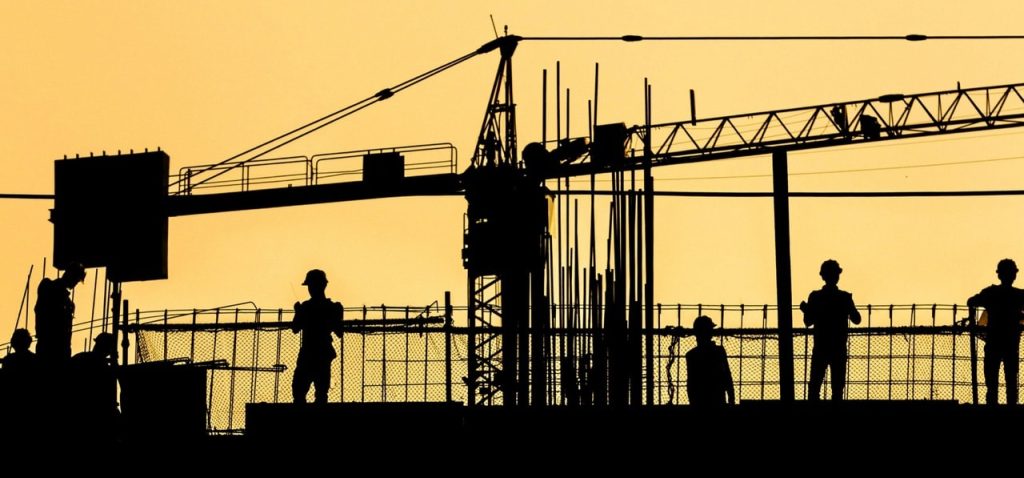
Builders Risk insurance covers a building while it is under construction. Not the workers, not the contractor’s tools. The structure itself and the materials going into it, from the day ground is broken to the day the project is handed over.
Most people run into it for the first time when a lender requires it. Banks financing new construction almost always do. But the coverage makes sense regardless of whether anyone is asking for it. A fire on a framed-out house, a storm that collapses a roof before it is dried in, copper and lumber stolen from an unoccupied job site overnight. None of that is covered by a General Liability policy. None of it is covered by a standard homeowners policy on a home that is not yet complete. Builders Risk is the policy built for exactly those situations.
Farmer Brown has been writing Builders Risk policies since 1996, working with A-rated carriers including Nationwide, Zurich, The Hartford, Travelers, and Liberty Mutual. Most policies issue same day.

What Builders Risk Covers
The core of the policy is the structure and the materials that will become part of it.
Materials sitting on site before they are installed. Lumber stacked in the driveway, windows stored in the garage, cabinets still in boxes. If they are going into the building and something happens to them, the policy covers it.
The structure at every stage. A fire at the framing stage can mean a near-total loss. A windstorm that collapses a partially completed roof is covered. So is vandalism to a vacant site.
Getting materials to the job. Most policies extend to materials in transit from supplier to project, up to policy limits. Worth confirming when you bind.
Debris removal after a covered loss. Before rebuilding can start, what is left has to come out. That cost is included.
Most standard Builders Risk policies are open-perils, meaning everything is covered unless the policy specifically excludes it. The standard exclusions are earthquake, flood, employee theft, mechanical breakdown, and faulty workmanship. Earthquake and flood can usually be added, with their own sub-limits and additional premium.
What It Does Not Cover
This is where contractors and owners tend to get caught off guard.
Builders Risk is not General Liability. If someone is injured on the job site, that is a Workers Comp or GL claim, not a Builders Risk claim. The policy covers the building, not the people working on it.
It does not cover the contractor’s tools and equipment. The drill, the compressor, the excavator parked on site overnight. Those need Inland Marine coverage. A common mistake is assuming Builders Risk handles everything on a job site. It handles the structure and the materials going into it. That is it.
Professional liability is excluded. If an architect draws it wrong or an engineer specifies the wrong load, that is an errors and omissions claim.
Subcontractors are expected to carry their own coverage. If a sub causes damage and has no insurance, the Builders Risk policy may respond to the physical damage, but you are still dealing with a claim, a deductible, and a potential fight over who was responsible. Requiring certificates from every sub before they start is not optional on a well-run job.
Who Carries This Policy
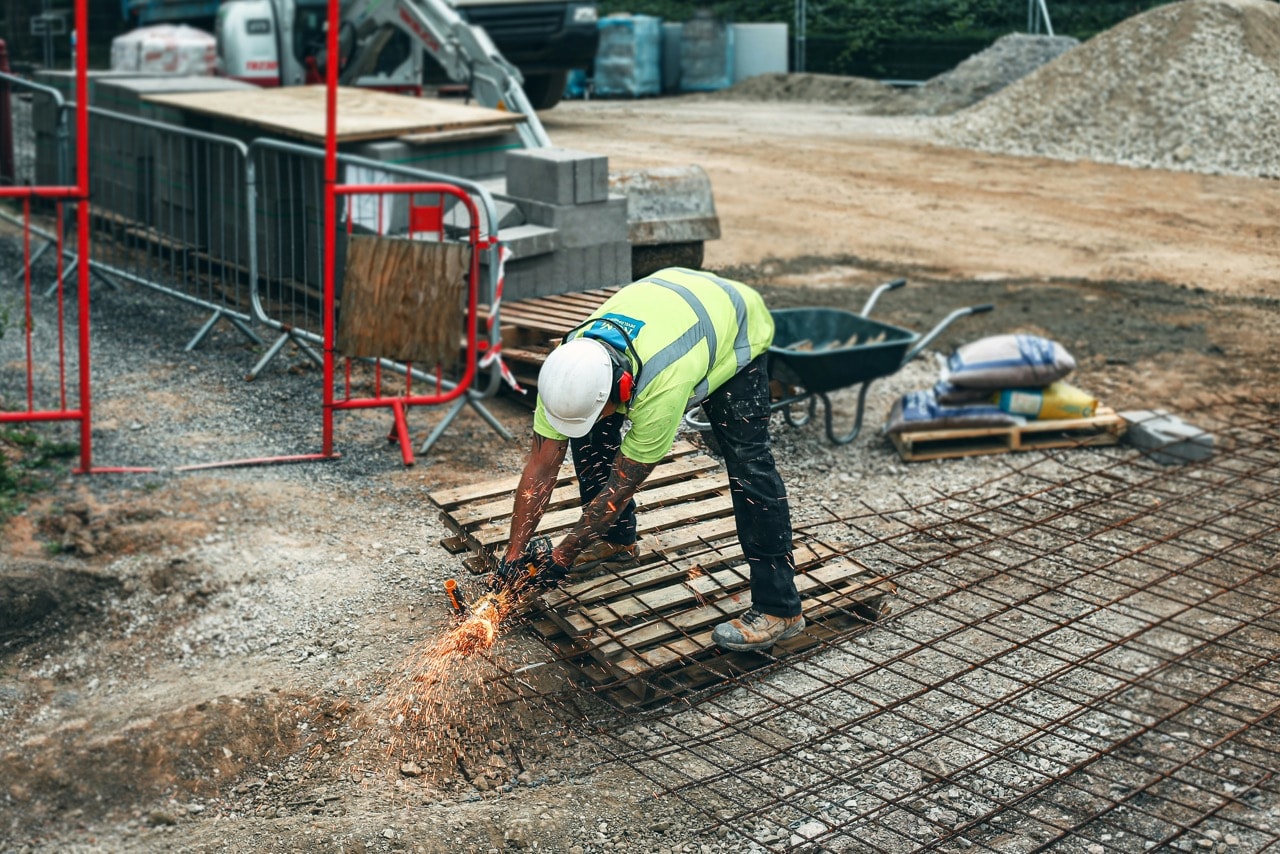
Property owners building new are the most common buyer. If there is a lender involved, coverage is required. If it is a cash build, most owners still carry it because the alternative is an uninsured structure sitting exposed for six to eighteen months.
General contractors sometimes purchase it on behalf of the owner and fold the cost into the project budget. Others put it on the owner to arrange and require proof before breaking ground. Either way works. What does not work is starting construction without it and hoping nothing happens.
Developers and investors running gut renovations or ground-up projects are the third major group. A rehab that involves structural changes usually qualifies. One that is purely cosmetic, new paint and fixtures, typically does not.
How Much Does Builders Risk Insurance Cost?
A lot of what gets published online on this topic is wrong. The 1% to 4% of construction value figure that appears on competitor sites is not accurate for most projects. Contractors and owners who budget based on those numbers will either overpay or be surprised when the actual quote comes in lower.
For a standard new construction project with a licensed contractor and no unusual risk factors, the rate is approximately $0.30 per $100 of construction value. A $500,000 new home runs around $1,500 for a one-year policy.
Renovation and rehab projects run higher, around $0.65 per $100. Rehab carries more risk because the existing structure introduces unknowns, timelines tend to stretch, and occupied or partially occupied buildings complicate everything. A $300,000 rehab runs around $1,950.
Those are starting points. Location, construction type, project duration, and coverage selections all move the final number.
Builders Risk Cost by Project Type
| Project Type | Construction Value | Estimated Annual Premium |
|---|---|---|
| New Construction | $100,000 | $300 |
| New Construction | $300,000 | $900 |
| New Construction | $500,000 | $1,500 |
| New Construction | $1,000,000 | $3,000 |
| New Construction | $2,500,000 | $7,500 |
| Renovation / Rehab | $100,000 | $650 |
| Renovation / Rehab | $300,000 | $1,950 |
| Renovation / Rehab | $500,000 | $3,250 |
| Renovation / Rehab | $1,000,000 | $6,500 |
| Renovation / Rehab | $2,500,000 | $16,250 |
Rates are approximate. Final premium depends on location, coverage selections, project type, and carrier underwriting.
What Moves the Price
Location is the biggest variable outside of construction value. Coastal properties, flood zones, and high-wind areas cost more. A $500,000 home going up in coastal South Carolina costs more to insure than the same project in suburban Ohio, even with identical construction.
Construction type matters too. Wood frame is more expensive to insure than steel or masonry because fire risk is higher and the structure is more vulnerable before it is enclosed.
Policy term. Builders Risk is written for a fixed period, 3, 6, or 12 months. Choose the term closest to your expected completion date. The premium is fully earned at inception, so finishing early does not get you a refund. Running over the term is the more serious problem. If the policy expires mid-project, you need to extend it before that happens. Replacement coverage on an active construction project is hard to find and expensive.
Soft costs. Some carriers allow the policy to cover costs that pile up after a covered loss but are not physical damage: architect fees, permit re-application costs, additional construction loan interest caused by a delay. This is not included by default and needs to be requested specifically.
Contractor experience. A licensed general contractor with a clean loss history gets better pricing than an owner-builder on their first project. Carriers underwrite the person running the job, not just the building being built.
Builders Risk Cost by City
Coastal markets and high-wind zones run higher. Inland markets with less catastrophe exposure run lower. Rates below cover both new construction and rehab across four construction value tiers.
New York City, NY
New York City, NY
New construction in New York involves strict code requirements, dense job sites, and high material and labor costs. Waterfront and low-lying projects carry flood exposure that is not covered under a standard Builders Risk policy without a separate endorsement.
| Construction Value | Under $300K | $300K - $750K | $750K - $1.5M | $1.5M - $5M |
|---|---|---|---|---|
| New Construction | $975 - $1,100 | $1,100 - $2,600 |
$2,600 - $5,100 | $5,100 - $17,000 |
| Renovation / Rehab | $2,100 - $2,400 |
$2,400 - $5,600 |
$5,600 - $11,200 |
$11,200 - $37,400 |
Los Angeles, CA
Los Angeles, CA
Earthquake is excluded from most standard Builders Risk policies, which is a significant gap in an LA context. A separate earthquake endorsement or policy is worth the conversation before binding. Wildfire risk in hillside and eastern areas of the county also affects carrier appetite on some projects.
| Construction Value | Under $300K | $300K - $750K | $750K - $1.5M | $1.5M - $5M |
|---|---|---|---|---|
| New Construction | $925 - $1,050 | $1,050 - $2,500 |
$2,500 - $4,900 | $4,900 - $16,500 |
| Renovation / Rehab | $2,000 - $2,300 |
$2,300 - $5,400 |
$5,400 - $10,800 |
$10,800 - $36,000 |
Chicago, IL
Chicago, IL
Chicago is a moderate risk market for Builders Risk. Wind exposure becomes a factor on taller structures, but for residential and light commercial construction the rates are manageable. Urban job site access restrictions can complicate the claims process on larger losses.
| Construction Value | Under $300K | $300K - $750K | $750K - $1.5M | $1.5M - $5M |
|---|---|---|---|---|
| New Construction | $840 - $950 | $950 - $2,250 | $2,250 - $4,500 |
$4,500 - $15,000 |
| Renovation / Rehab | $1,850 - $2,100 |
$2,100 - $4,900 | $4,900 - $9,800 |
$9,800 - $32,500 |
Houston, TX
Houston, TX
Gulf Coast exposure adds hurricane and flood risk that most inland markets do not have. Flood is excluded from standard Builders Risk policies. Projects in FEMA flood zones need a separate flood policy, and it is worth checking zone status before the project starts rather than after a storm.
| Construction Value | Under $300K | $300K - $750K | $750K - $1.5M | $1.5M - $5M |
|---|---|---|---|---|
| New Construction | $820 - $930 | $930 - $2,200 | $2,200 - $4,400 |
$4,400 - $14,700 |
| Renovation / Rehab | $1,800 - $2,050 |
$2,050 - $4,800 | $4,800 - $9,600 |
$9,600 - $32,000 |
Phoenix, AZ
Phoenix, AZ
Arizona is a low-catastrophe market. No hurricane risk, minimal flood zones outside of monsoon wash areas, low earthquake activity. Phoenix consistently prices at the lower end of the national range for new construction Builders Risk, and the residential construction volume here means carriers are actively competing for the business.
| Construction Value | Under $300K | $300K - $750K | $750K - $1.5M | $1.5M - $5M |
|---|---|---|---|---|
| New Construction | $800 - $910 | $910 - $2,150 | $2,150 - $4,300 |
$4,300 - $14,300 |
| Renovation / Rehab | $1,750 - $2,000 |
$2,000 - $4,700 | $4,700 - $9,400 |
$9,400 - $31,400 |
San Antonio, TX
San Antonio, TX
San Antonio is the home of Farmer Brown Insurance. The team has been writing Builders Risk policies here since 1996. Hail is the main weather risk during spring storm season and is covered under most standard policies without a separate endorsement. Rates are competitive across both new construction and rehab.
| Construction Value | Under $300K | $300K - $750K | $750K - $1.5M | $1.5M - $5M |
|---|---|---|---|---|
| New Construction | $795 - $900 | $900 - $2,100 | $2,100 - $4,200 |
$4,200 - $14,000 |
| Renovation / Rehab | $1,730 - $1,980 |
$1,980 - $4,650 | $4,650 - $9,300 |
$9,300 - $31,000 |
Philadelphia, PA
Philadelphia, PA
Philadelphia has moderate exposure across standard perils. Older building stock in the city makes renovation projects more complex to underwrite, which shows up more in rehab premiums than in new construction rates. Projects involving structural changes to pre-war buildings sometimes require additional underwriting review.
| Construction Value | Under $300K | $300K - $750K | $750K - $1.5M | $1.5M - $5M |
|---|---|---|---|---|
| New Construction | $845 - $960 | $960 - $2,270 | $2,270 - $4,550 | $4,550 - $15,200 |
| Renovation / Rehab | $1,870 - $2,130 |
$2,130 - $5,000 |
$5,000 - $10,000 |
$10,000 - $33,300 |
San Diego, CA
San Diego, CA
San Diego shares California’s earthquake exclusion issue. Wildfire risk is also a real factor in the eastern and hillside parts of San Diego County, and some carriers limit their appetite on projects in high-fire-risk zones. Worth discussing with an agent before assuming coverage is straightforward.
| Construction Value | Under $300K | $300K - $750K | $750K - $1.5M | $1.5M - $5M |
|---|---|---|---|---|
| New Construction | $910 - $1,030 | $1,030 - $2,450 |
$2,450 - $4,800 | $4,800 - $16,100 |
| Renovation / Rehab | $1,970 - $2,250 |
$2,250 - $5,300 |
$5,300 - $10,600 |
$10,600 - $35,300 |
Dallas, TX
Dallas, TX
One of the most active new construction markets in the country and one of the more affordable for Builders Risk. Hail is the main weather story here and is covered under most standard policies. Strong carrier competition in the Texas market keeps base rates down compared to coastal and high-regulation states.
| Construction Value | Under $300K | $300K - $750K | $750K - $1.5M | $1.5M - $5M |
|---|---|---|---|---|
| New Construction | $800 - $915 | $915 - $2,160 | $2,160 - $4,320 |
$4,320 - $14,400 |
| Renovation / Rehab | $1,745 - $1,990 |
$1,990 - $4,680 | $4,680 - $9,360 |
$9,360 - $31,200 |
Fort Worth, TX
Fort Worth, TX
Fort Worth runs very close to Dallas in risk profile and carrier market. Residential construction across the western suburbs is heavy and growing. Hail coverage is included in most standard policies without a separate endorsement, and rates sit at the low end of the national range.
| Construction Value | Under $300K | $300K - $750K | $750K - $1.5M | $1.5M - $5M |
|---|---|---|---|---|
| New Construction | $795 - $905 | $905 - $2,130 | $2,130 - $4,270 |
$4,270 - $14,250 |
| Renovation / Rehab | $1,730 - $1,975 |
$1,975 - $4,640 | $4,640 - $9,280 |
$9,280 - $30,950 |
Policy Details Worth Knowing
Coverage ends at whichever comes first: the policy expiration date, the date the building is occupied, or the date the owner formally accepts the property. Once someone moves in or a certificate of occupancy is issued, a Builders Risk policy is no longer the right coverage. A homeowners or commercial property policy takes over at that point.
The premium is fully earned at inception. Finishing three months early does not produce a refund. Choose the policy term closest to your realistic completion date and build in a buffer if the timeline is uncertain.
Deductibles on residential projects typically run between $1,000 and $5,000. Commercial projects often carry higher deductibles. If the policy includes a separate wind or hail sublimit, that deductible is usually expressed as a percentage of insured value rather than a flat dollar figure.

Builders Risk and the Rest of the Coverage Stack
Builders Risk covers the structure and materials. That is its job and it does that job well. But a construction project has other exposures that need their own policies.
General Liability covers third-party injury and property damage caused by the contractor’s operations. Workers Compensation covers employees hurt on the job. Inland Marine covers the contractor’s tools and equipment. Commercial Auto covers the vehicles.
Farmer Brown can write all of these and coordinate them so there are no gaps between layers. One call handles the whole stack.
How Farmer Brown Handles Builders Risk
Farmer Brown has been writing Builders Risk since 1996. The team covers all 50 states, works with A-rated carriers only, and handles everything in English and Spanish. Same-day certificates are standard and quotes are available instantly at farmerbrown.com.
For projects outside the standard parameters, large commercial builds, occupied renovation projects, phased construction with multiple completion dates, the team works through underwriting directly with carriers.
90% annual renewal rate | Same-day coverage | All 50 states
Get a Quote: farmerbrown.com | (888) 973-0016 | info@farmerbrown.com
This guide is general educational information. Coverage terms, exclusions, and pricing vary by state, policy, and individual project. Talk to a Farmer Brown agent about your specific situation.